
In the nineteen 60s and 70s, the University of Dar es Salaam was recognised internationally as a great academic institution, and the site of anti-colonialist, anti-imperialist, socialist studies and activism. With the onslaught of neo-liberalism beginning with Structural Adjustment Programmes in Tanzania in the mid 80s, the university was one of its prime targets; subjected to numerous pressures designed to extinguish the flames of revolutionary scholarship and activism. The establishment Issa Shivji as its first Chairman, and the annual Distinguished Nyerere Lectures Series inaugurating annual intellectual festivals was, in Professor Shivji’s introduction to this volume of collected lectures, “the resurrection of radical Pan-Africanism at the University of Dar es Salaam.” The impact of the festivals and the lectures went well beyond the university community, as substantial number of the participants at these lectures and debates were citizen intellectuals, not part of the university community. The calibre of the distinguished lectures speak for itself; there could be no better representation of progressive African intellectuals honouring the legacy of Mwalimu Nyerere, than Professors Wole Soyinka, Samir Amin, Bereket Habte Selassie, Micere Githae Mugo and Thandika Mkandawire whose lectures are published in this book.
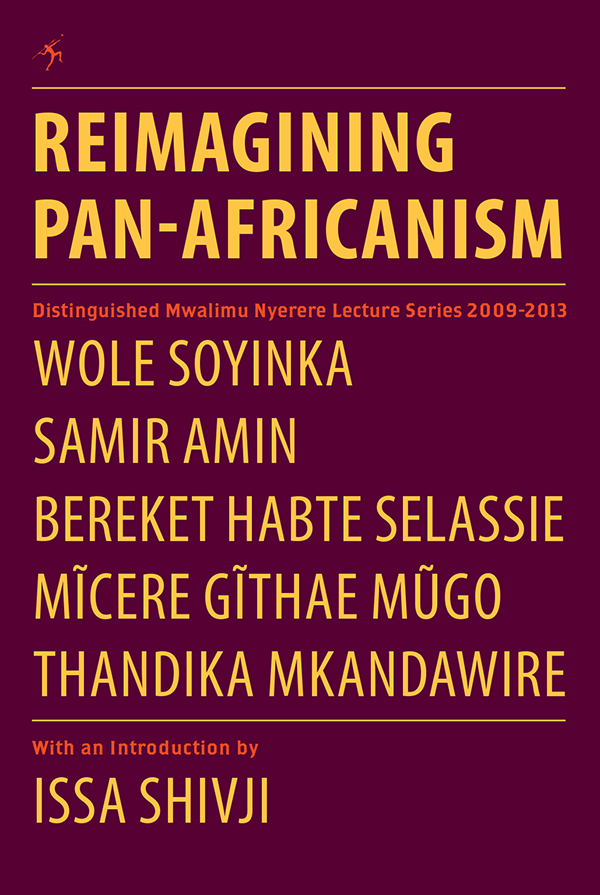
Reimagining Pan Africanism
Author(s): African studies, Bereket Habte Selassie, Issa Shivji, Micere Githae Mugo, pan-Africanism, Samir Amin, Thandika Mkandawire, Wole Soyinka
Sh 18,000
Reimagining Pan Africanism explores the evolving meaning and relevance of Pan-African thought in the contemporary world. The book examines themes of African unity, development, governance, identity, and global engagement, encouraging fresh perspectives on the challenges and opportunities facing the continent. It offers valuable insights for scholars, students, policymakers, and anyone interested in Africa’s future.
Related products
-
Politics in Land And Water Management
Sh 19,000 -
Nukuu za Mwalimu Julius K.Nyerere
Sh 12,000 -
Emperor Haile Selassie
Sh 18,000 -
Debate on Class, State and Imperialism
Sh 45,000
Reviews
There are no reviews yet.