
An Eritrean political play by Bereket Habte Selassie. The drama is based on contemporary political realities in some African countries that arrived at liberation through armed struggle. Eritrea, God’s land according to the ancient Egyptians, is the example of a country and society in convulsion because of the abandonment by its leadership, particularly among the ex-combatants, of the lofty principles of democracy, serving the people, equality, and solidarity that characterised the rhetoric of the revolution. The incidents and personalities in the play are purely fictitious, though similarities are bound to exist since the principles during the wars of liberation and the abuses thereafter tend to be the same in all undemocratic countries. Poetic licence draws characters from the army, students, political dissidents and opportunists, the Catholic Church, and a nun who escapes rape but is martyred in the process of resistance. A drama with elements of suspense, farce, comedy, and tragedy. Bereket Habte Selassie is a distinguished academic at the University of North Carolina at Chapel Hill and delivered the Nyerere Distinguished Lecture in 2011.
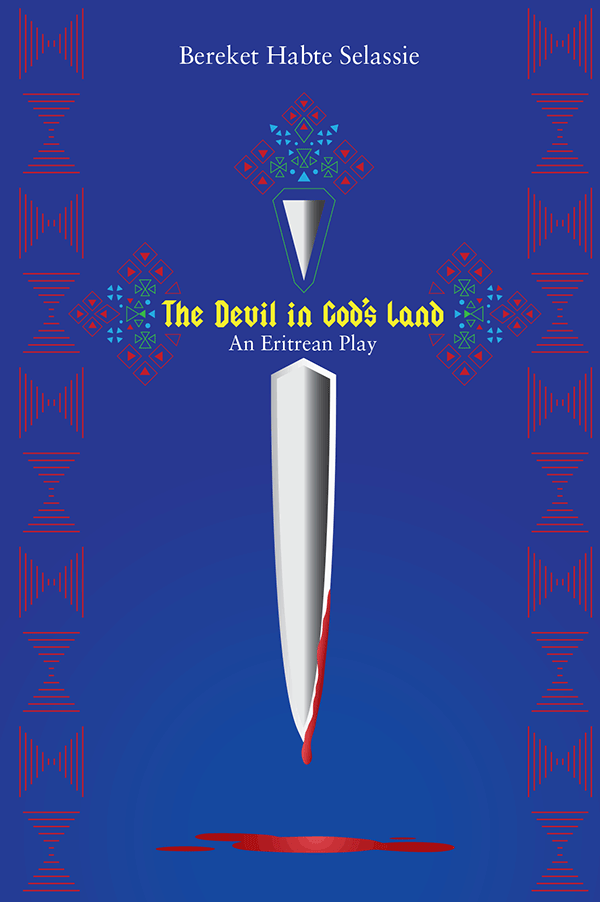
The Devil in God’s Land: An Eritrean Play
Author(s): African dictatorship, armed struggle, Bereket Habte Selassie, Eritrea, liberation struggle, Nyerere Lecture, pan-Africanism, political drama
Sh 20,000
Bereket Habte Selassie’s political drama of contemporary Eritrea, where the ex-combatants who led armed liberation have abandoned democracy, service, equality, and solidarity. Characters include soldiers, students, dissidents, opportunists, the Catholic Church, and a martyred nun. Suspense, farce, comedy, and tragedy woven together.
Reviews
There are no reviews yet.